
The Vital Role of Pelvic Health in Overall Wellness
The Vital Role of Pelvic Health in Overall Wellness Pelvic health significantly

The Vital Role of Pelvic Health in Overall Wellness Pelvic health significantly

Dysuria is painful urination, often with a burning sensation, commonly linked to urinary tract infections (UTIs) but also caused by irritation or other health issues. Diagnosis involves reviewing medical history and urine tests, with treatments ranging from antibiotics to lifestyle changes or pelvic therapy, depending on the underlying cause.
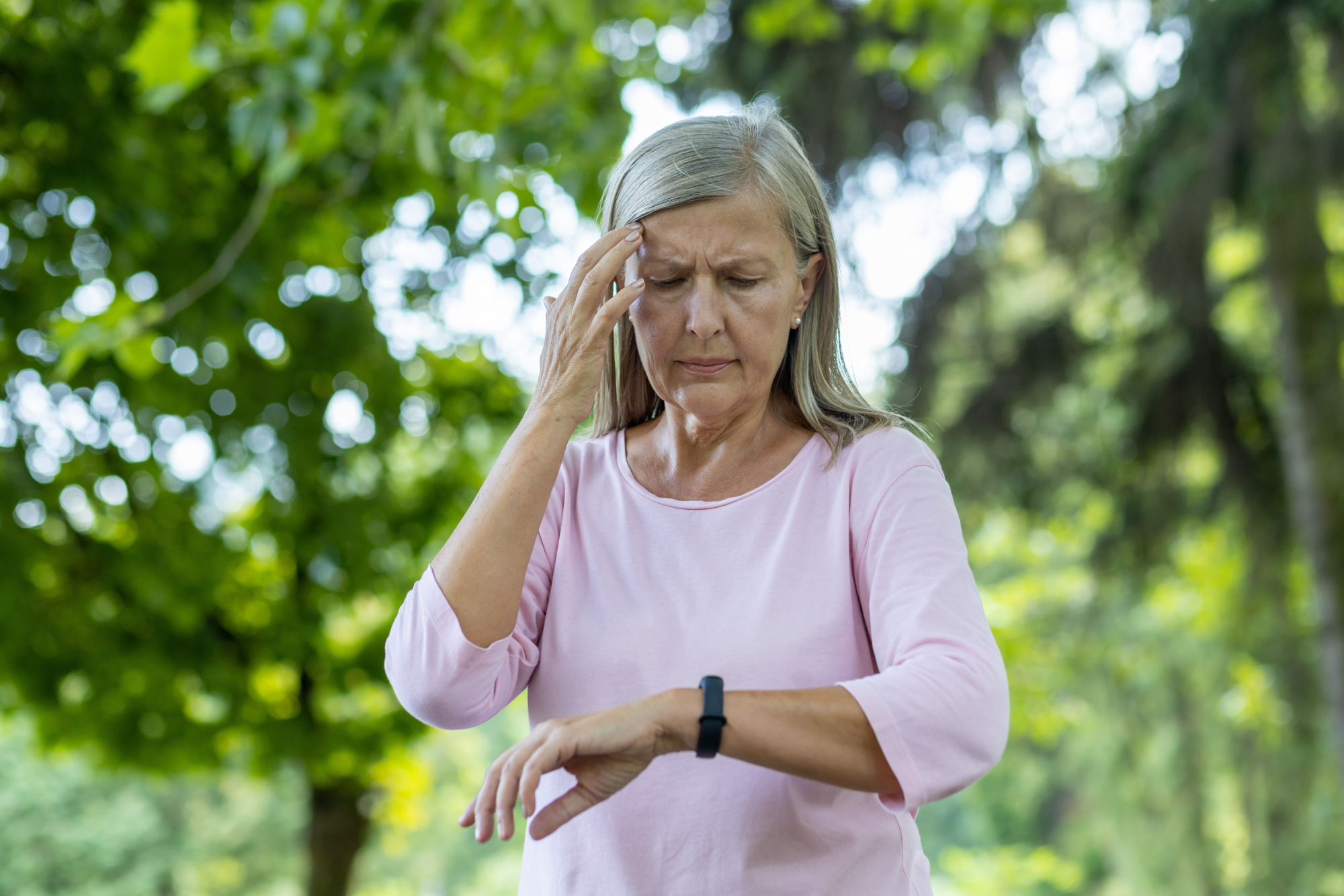
Dizziness after running can result from factors like dehydration, low blood sugar, orthostatic hypotension, overexertion, or heat exhaustion. Preventing dizziness involves staying hydrated, maintaining proper nutrition, managing exercise intensity, and seeking physical therapy if persistent issues arise, especially for individuals with chronic conditions.

Dizziness refers to lightheadedness or unsteadiness, while vertigo specifically involves a spinning sensation, often linked to vestibular dysfunction. Causes include eye misalignment, traumatic brain injury, and conditions like BPPV or Ménière’s disease, with vestibular rehabilitation therapy used to restore balance and reduce symptoms.
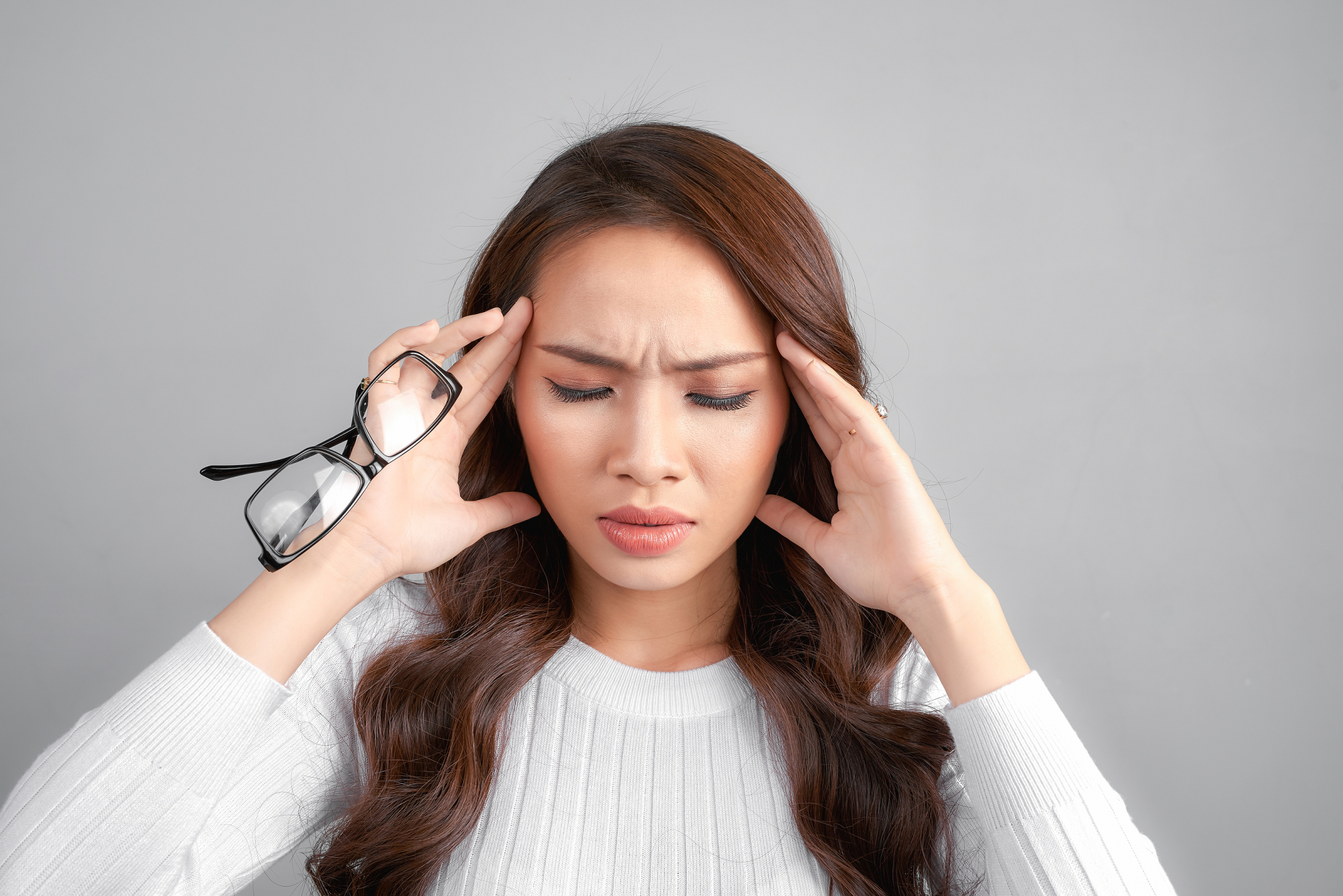
Dizziness affects up to 35% of adults, presenting as lightheadedness, unsteadiness, or spinning sensations, and is often triggered by factors like dehydration, stress, or low blood sugar. Although usually not life-threatening, persistent or severe symptoms may require medical attention, especially if accompanied by headaches, hearing loss, or slurred speech.

Dementia encompasses conditions that impair cognitive abilities and daily functioning, often accompanied by symptoms like dizziness, balance issues, and psychological changes as the disease progresses. While Alzheimer’s is the most common type, other forms like vascular and Lewy body dementia can cause distinct mobility challenges, with treatment focusing on symptom management, therapy, and fall prevention.